Schedule 2026
september 16, 2026 september 17, 2026
meet & greet welcome reception
Sponsored by:Patrocinado por:

Registration/Coffee
Sponsored by:Patrocinado por:
OPENING REMARKS
Living a Meaningful Life: Beyond Charity
Understanding the HNWI mindset on contributing to causes.
Speakers: Oradores:
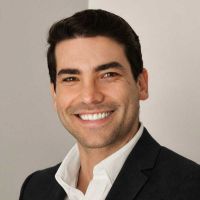
AI and Wealth Management Solutions in LatAm
Wealth management in LATAM faces a structural challenge: families with assets distributed across multiple jurisdictions and institutions, while trust practitioners continue to operate with fragmented, manual processes that consume high-value professional time. This session aims to present transformation in action — not theory about the future, but real implementations already functioning today with advisors, family offices, and HNW clients across the region.
Speakers: Oradores:

COFFEE BREAK
Sponsored by:Patrocinado por:
Wealth Tax, the true effect
A few jurisdictions have implemented wealth taxes (e.g. Colombia, some provinces in Spain), aiming to redistribute income among the population. However, others opine that it has the opposite effect.
We will have two experts debating on the pros and cons of wealth tax, the real effects of implementing it, and how advisors should approach the issue.
Speakers: Oradores:

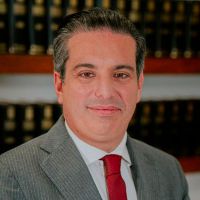

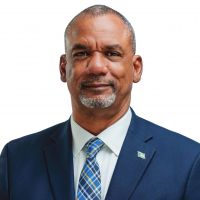
Presentation by the Minister of Economic Affairs, Commonwealth of The Bahamas
Speakers: Oradores:
lunch
Sponsored by:Patrocinado por:
Carrying family legacy forwards
An intimate conversation on what it means to inherit not just wealth, but values, responsibility, and identity. Through the lens of a third-generation family member, this interview explores stewardship, reinvention, and the challenges of honoring a powerful legacy while shaping one’s own path in a changing world.
Speakers: Oradores:
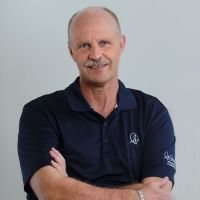

Impacts of the Brazilian tax reforms on international structures
Brazil’s tax reform establishes a new regime for the taxation of international taxable income, with significant implications for foreign entities, cross border income recognition, compliance obligations, and the structuring of offshore investments held by Brazilian taxpayers.
Speakers: Oradores:
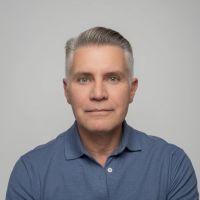



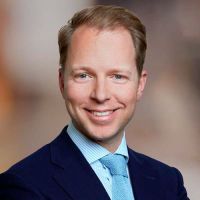
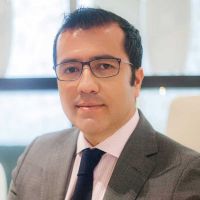
International holding structures for Latam family business - Regional strategies for global Families
Strategic use of international holding companies by Latin American family businesses, with a regional perspective spanning Mexico, Colombia, Brazil and beyond. The discussion will address governance design, tax efficiency, succession planning and cross-border asset protection.
Speakers: Oradores:

COFFEE BREAK
Sponsored by:Patrocinado por:
Who is the client of your client?
Risk management and control following and increase in money laundering new typologies mixed with legitimate businesses.
What should a board of directors and a head of compliance in a family office look for to mitigate possible risks associated with clients of his/their clients.
Speakers: Oradores:


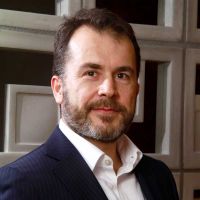
Arbitration/mediation for family disputes
Best rules for arbitration + best practices. Difference between arbitration and mediation.
Speakers: Oradores:
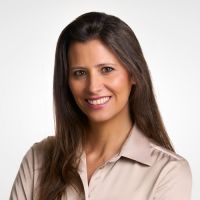
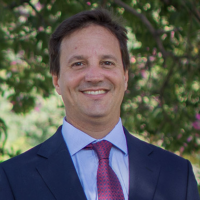
KEYNOTE: Redefining wealth: from accumulating money to emotions and experiences
We have traditionally defined the families/individuals as Wealthy, HNWF or UHNWF in terms of who much is their net worth in terms of money. However, the new generations have a different perspective of wealth; for them, it is not about accumulating money, but rather experiences, memories and emotions.
This presentation will review this new set of values and how advisors need to adapt to better serve this novel approach.
Speakers: Oradores:


CLOSING REMARKS
Registration/Coffee
Sponsored by:Patrocinado por:
Macro Tax policies in Latam - from the perspective of HNWI
This session will outline the principal tax policy considerations applied in Latin America regarding the taxation of High Net Worth Individuals (HNWI), examined from the perspectives of both the OECD and the United Nations.
Speakers: Oradores:
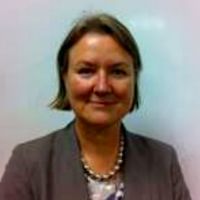

Beyond Structures: Understanding the Psychology Behind Wealth Decisions in Latin America
What are the principal concerns, challenges, and expectations of High Net Worth Individuals (HNWI), both the patriarchs and their heirs? Why does a stereotype persist that portrays them as struggling with conventional social interaction, generosity, and empathy? This session will provide attendees with valuable insights into the mindset of HNWI and equip them with practical tools to facilitate more effective engagement with them.
Speakers: Oradores:


STEP UPDATE
Speakers: Oradores:

COFFEE BREAK
Sponsored by:Patrocinado por:

Immigration: Should I stay or should I go // Relocating: the experience of real life families
Many of us have had clients move to other jurisdictions for tax and other such reasons. However, what are the realities of breaking ties with the home country and making a new life in another? The panel will consist of not just a specialist professional adviser but also [two clients] who have made the move with their families.
Speakers: Oradores:

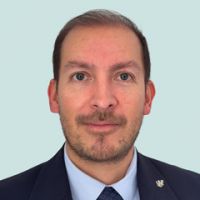

From prevention to prediction: financial crime, cyber-risk and AI
AI is reshaping financial crime and cyber-risk, raising the scale and speed of threats to fiduciaries, banks, and wealth structures. The session shows how to move from a reactive to a predictive approach, integrating governance, analytics and early detection to preserve trust and resilience.
Speakers: Oradores:


LUNCH
Sponsored by:Patrocinado por:
Minimum global tax on individuals. Trend or isolated case?
About 2 years ago, President Lula took to the G20 the idea of creating a global minimum tax on individuals, influenced by the OECD IF Pillar 2, which assures a minimum income tax on corporate entities. Even though this idea did not advance in international level, Brazil took a step further and implemented a minimum income tax on individuals, combined with a withholding tax on dividends.
The panel will discuss the influence of Pillar 2, viability of a global deal on minimum individual income tax, the format that Brazil adopted, whether, regardless of a global deal, other countries in LATAM may follow Brazil’s lead, and impacts to HNW families.
Speakers: Oradores:

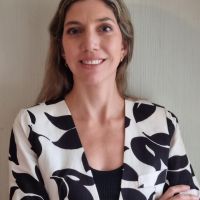
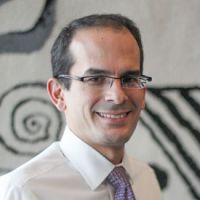
Good non-tax reasons for setting up a trust - Two years since the legal recognition in Brazil
The use of foreign trusts in Brazil. At the end of 2023, Brazilian legislation recognized for the first time foreign Trusts, regulating tax aspects for local residents. A panel of Brazilian experts will share their experience since then, beyond tax aspects. Predictions of how the use of Trust will evolve. Issues to consider: powers of settlor; revocable/irrevocable; contributions and distributions.
Speakers: Oradores:

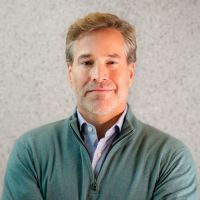
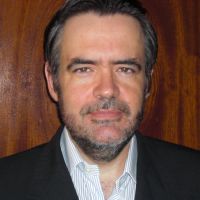
Captive Insurance as a Wealth & Risk Planning Tool: What Estate and Trust Practitioners Need to Know
Learn how Captive Insurance is being used in LatAm to cover different exposures but also as a wealth building platform.
Speakers: Oradores:

COFFEE BREAK
Sponsored by:Patrocinado por:

KEYNOTE: Is the dollar over?
The U.S. dollar has long anchored the global monetary system, supported by deep capital markets and strong institutional trust. Yet its central role in trade invoicing, central bank reserves, and global finance is increasingly being questioned amid rising geopolitical tensions and mounting fiscal pressures in the US. This presentation will assess whether alternatives could realistically serve as substitutes—and whether they can match the dollar’s scale, liquidity, and credibility.
Speakers: Oradores:
CLOSING REMARKS
Gala Dinner
Sponsored by:Patrocinado por: